
If this painting were a priceless Rembrandt, a professional conservator would spend hours aligning every single fabric fibre microscopically and gluing them back together with reversible, conservation-grade adhesives.
However, for your own studio work or everyday paintings, you can achieve a permanent, invisible fix using a much simpler patch method. Here is exactly how to do it.
Tools and Materials Needed
- A pair of sharp scissors
- A piece of raw or primed canvas (similar weight to the original painting)
- Acid-free PVA glue (Polyvinyl acetate – ensure it is artist-grade, not standard school glue)
- Wax paper or silicone release paper (Crucial for protecting the face of your painting)
- A flat piece of MDF, hardboard, or thick cardboard
- A heavy weight (books, a clean brick, or a studio weight)
- A palette knife and artist brushes
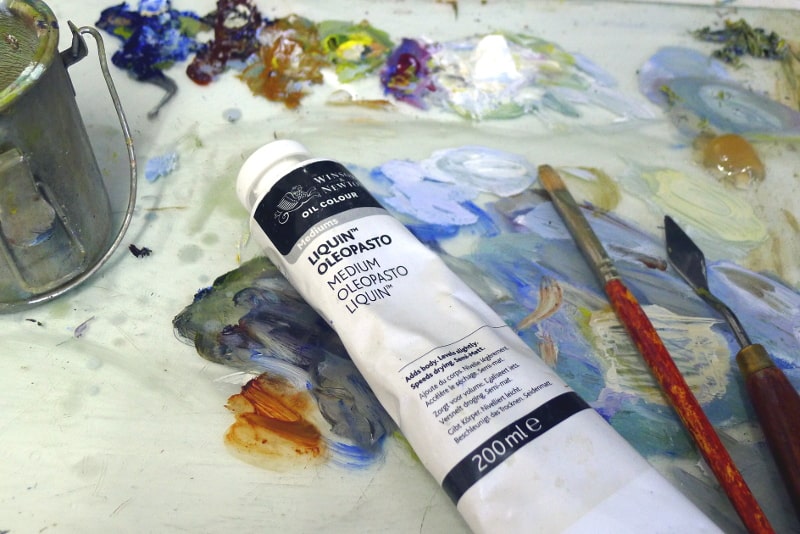
- Oil or acrylic paints (plus an optional texturising medium like Liquin Oleopasto or gesso)
Step 1: Prep the Tear and Clean the Face
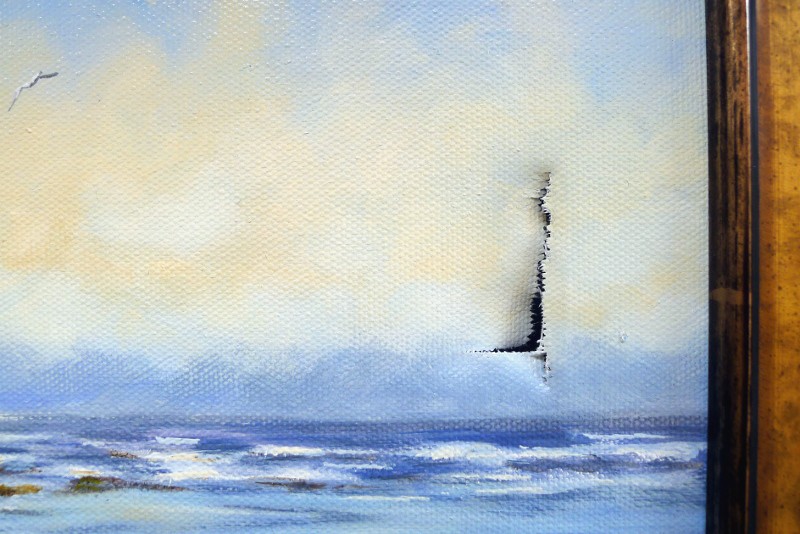
Before gluing anything, lay your painting face-up. Carefully use your scissors to snip away any loose, frayed threads that are sticking up out of the tear. If the canvas fibres are bent outward, gently press them back into alignment so the tear sits as flat and flush as possible.
Note: If your painting just has a dent in it, read how to get a dent out of a painting here.
Step 2: Cut Your Patch
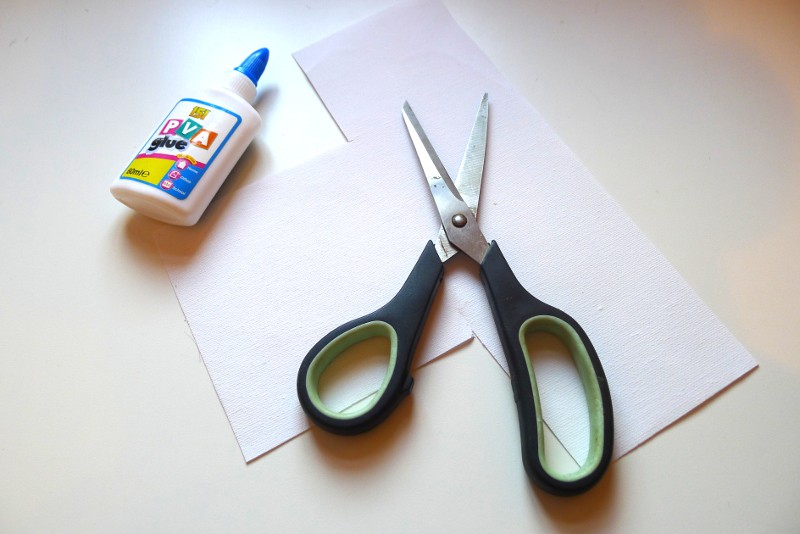
Cut a patch of spare canvas. Make sure it is large enough to cover the tear, plus at least a 3cm overlap on all sides to give it a strong bond.
If you don’t have spare canvas, cut a piece from another blank one. Otherwise, you can buy a budget canvas from any art shop to create your patch.
Step 3: Protect the Front Surface
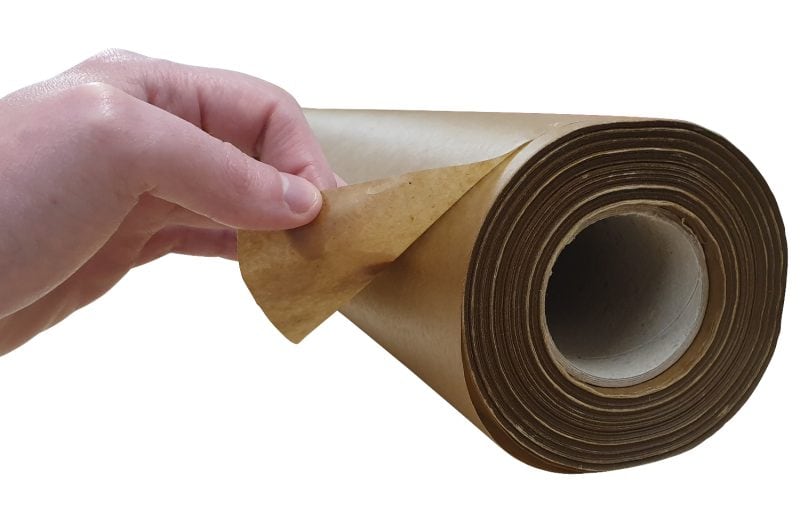
Lay down a sheet of wax paper on your clean, flat work table, then place your painting face-down on top of it.
Why this matters: If any PVA glue squeezes through the tear during pressing, it will seep onto the table and glue the front of your painting down. Wax paper prevents this.
Step 4: Apply the Patch
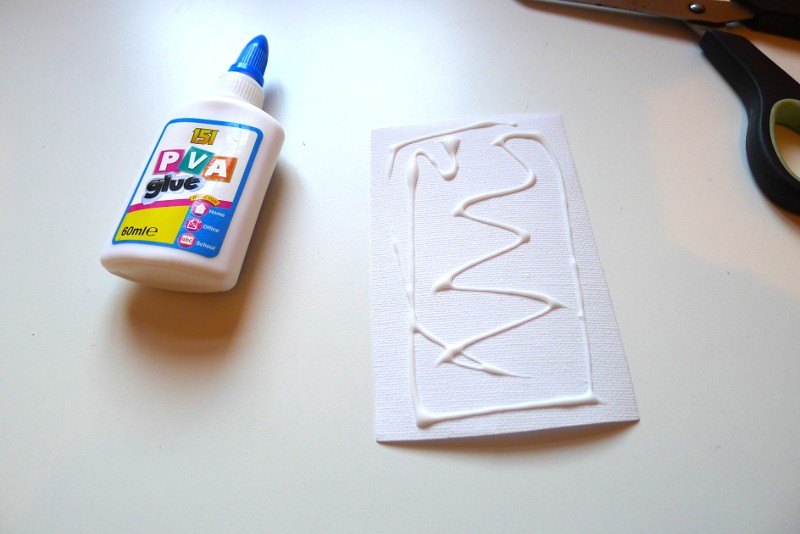
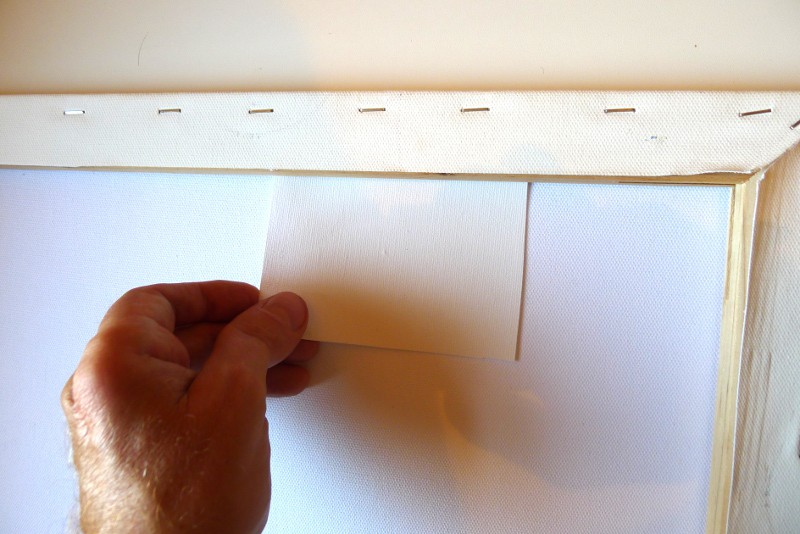
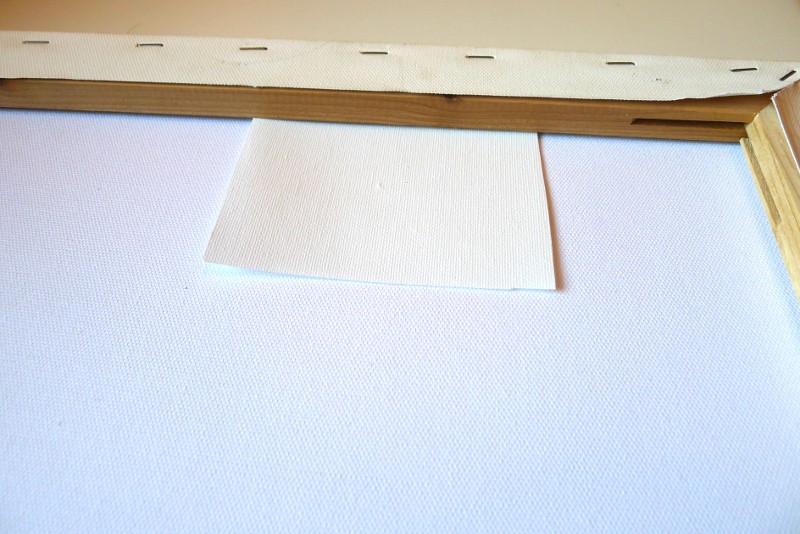
Coat one side of your canvas patch with a generous, even layer of PVA glue. Align the patch over the back of the tear. Try to align the weave (horizontal and vertical threads) of the patch with the weave of the original painting so they expand and contract similarly in changing weather. Press it down firmly from the center outward. Use a damp cloth to wipe away any excess glue that squeezes out.
Note: If your tear is close to the edge like mine was, you may need to gently slide a portion of the patch right under the wooden stretcher bars.
Step 5: Clamp and Weight it Down
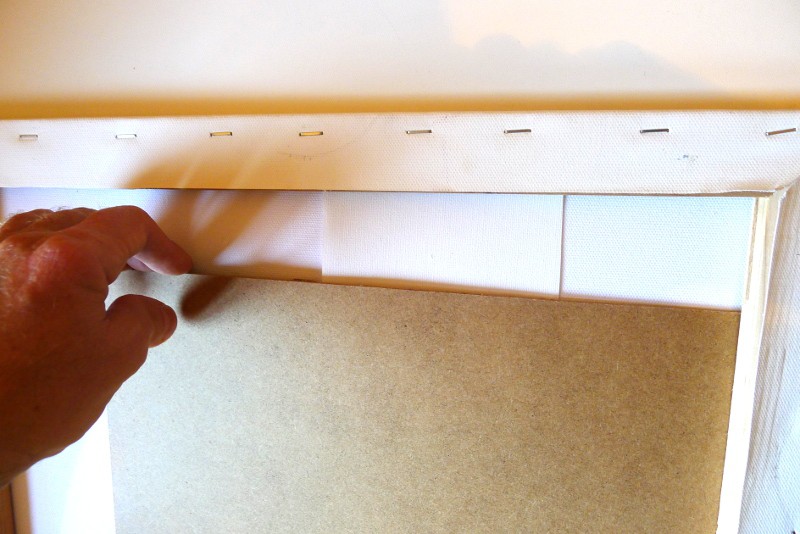
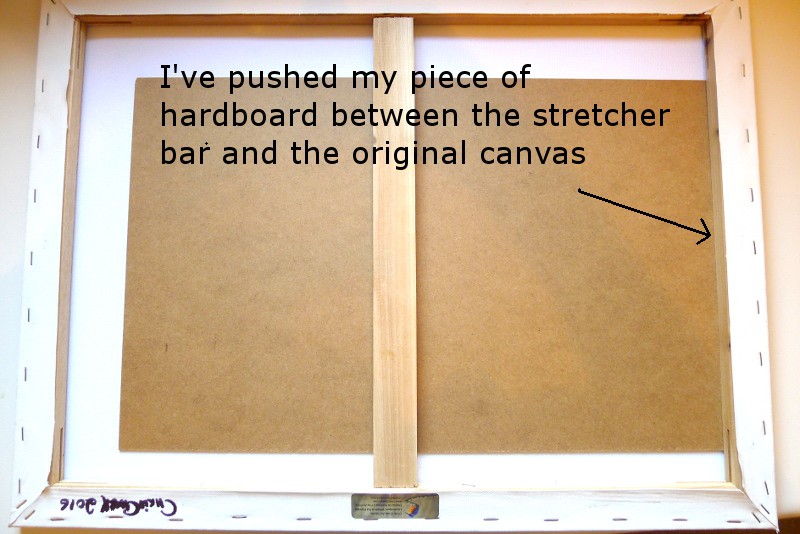
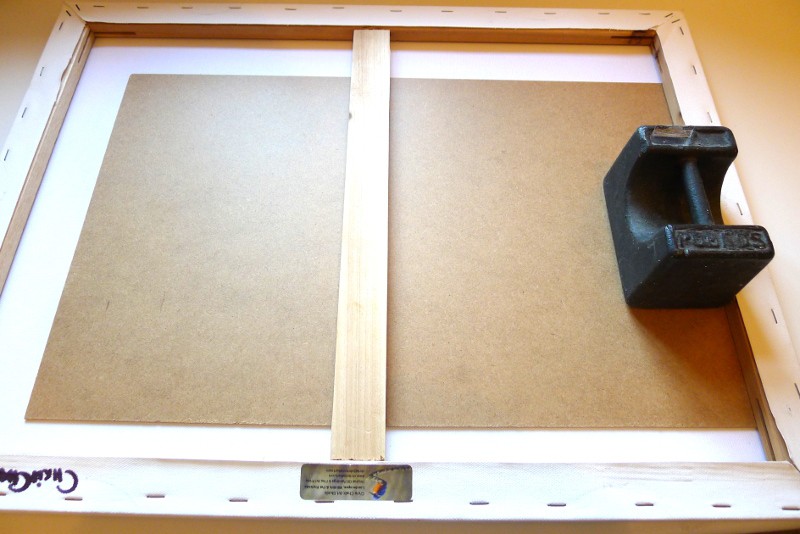
Once the patch is placed in the correct position we need to place another flat surface down onto the back of the patch so that as the glue dries it creates a perfectly flat repair. I’m using a thin sheet of hardboard to do this.
(Again, if the tear is near the edge, slide this board under the stretcher bar). Place a heavy weight on top of the board to clamp the sandwich together. Leave it alone to dry completely for at least 24 hours.
Step 6: Inspect the Bond
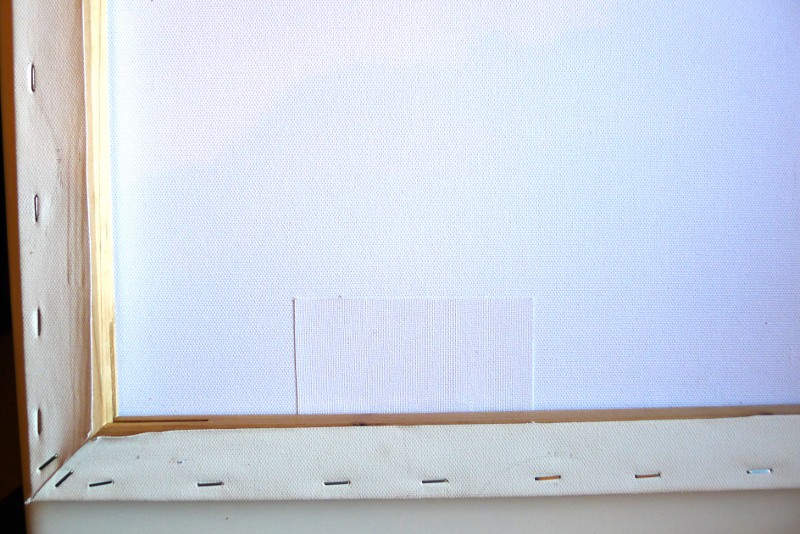
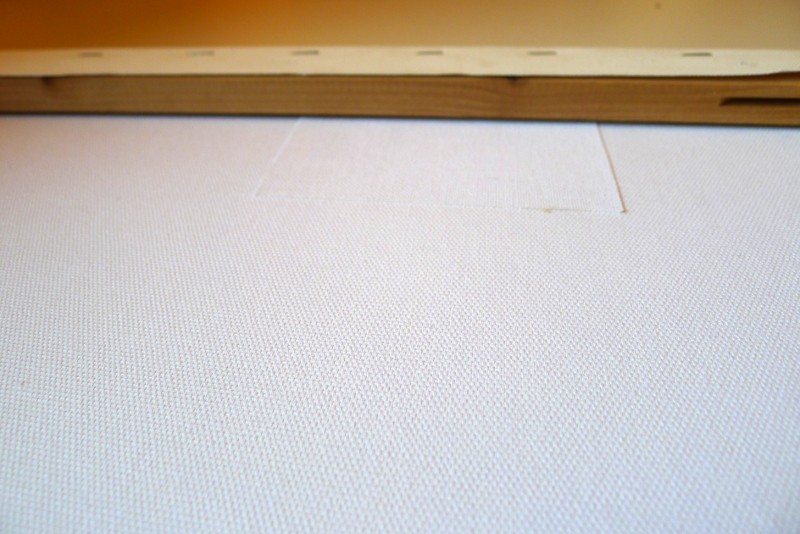
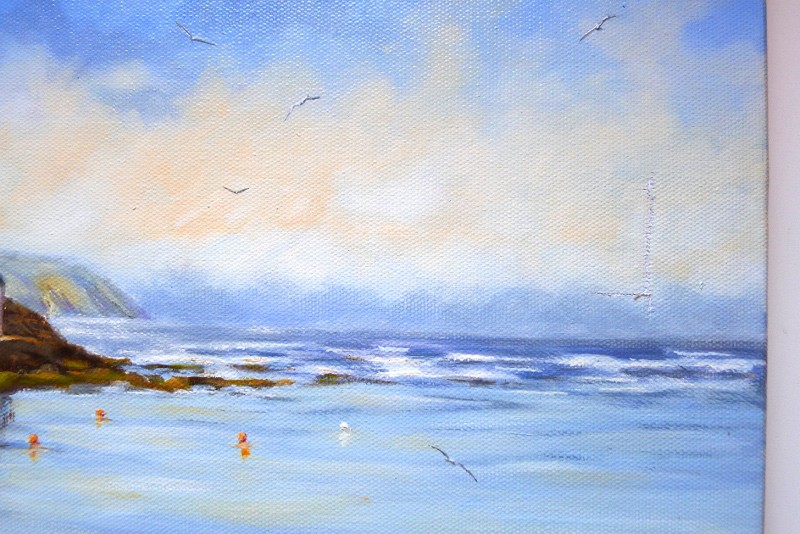
After at least 24 hours, remove the weight and board. Check the edges of your patch. If any edges lift up, use a toothpick or matchstick to slide a little more PVA glue underneath them, re-apply the weight, and give it another 24 hours. Once dry, your canvas will be completely structural and tight again.
Step 7: Fill and Repaint the Front
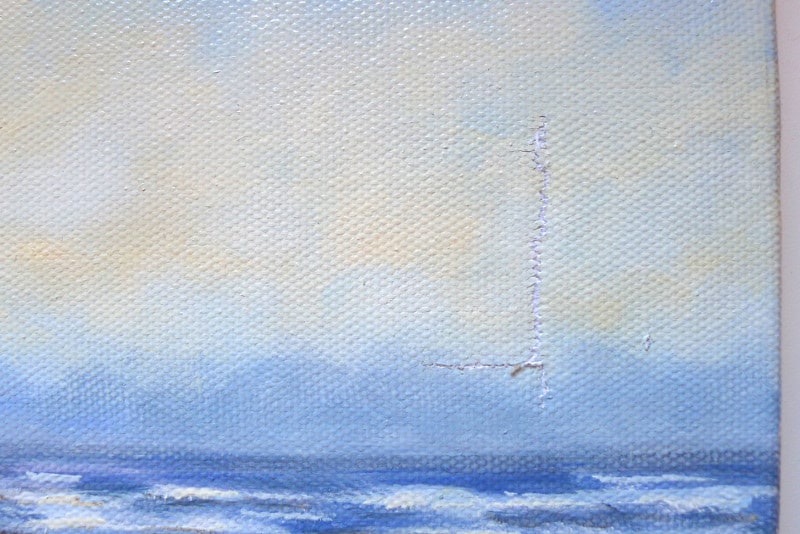
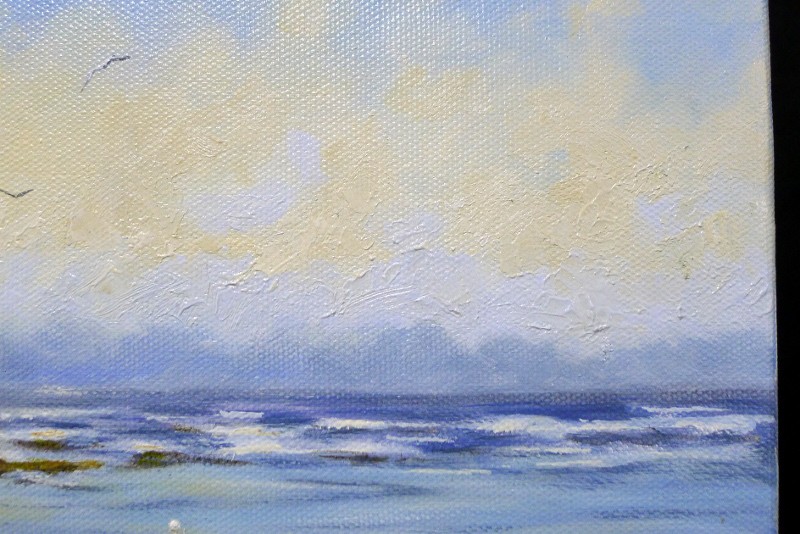
Flip the painting over. You will likely see a faint indentation or scar where the tear used to be.
- To level the surface: Mix a thick medium, like Liquin Oleopasto (for oils) or heavy gel/gesso (for acrylics), directly into your paint. This fills the physical crack so it sits level with the rest of the canvas.
- To disguise the fix: Don’t just paint over the tiny tear line. Re-paint a slightly larger, natural section of the composition (like a whole cloud, a wave, or down to a horizon line). Match the existing brushwork style—using a palette knife or stippling with a brush—so the new paint blends seamlessly into the old.
Once the paint dries, your repair will be entirely invisible from the front, structurally sound, and ready to hang back on the wall!
The Final Result
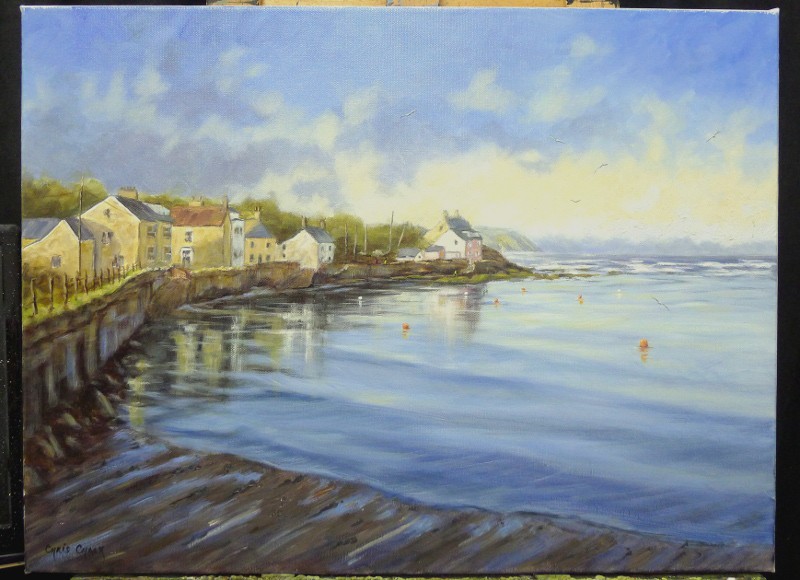
The final result is a permanent repair that will last as long as the rest of the painting, and one that is unnoticeable, unless you look at the back of the painting.
Note: Read this post if you just want to get a dent out of a painting canvas.
If you have any questions get in touch.
Chris
Note: Before You Begin: When to Call a Professional
The DIY repair method detailed above is a permanent, structural fix using modern studio materials. It is perfect for your own artwork, everyday practice pieces, or decorative paintings.
However, if your damaged painting is a valuable investment piece, a historical antique, or a sentimental family heirloom, do not attempt a DIY repair.
- Irreversibility: Artist-grade PVA glue is highly durable but permanent. It cannot easily be undone if a mistake is made.
- Devaluation: Improperly patching a valuable painting can permanently lower its market value.
- The Professional Alternative: A trained art conservator uses specialized, microscopic re-weaving techniques and conservation-grade adhesives (like BEVA 371 or sturgeon glue) that can be safely reversed in the future without damaging the original fabric.
If your artwork holds high financial or historical value, contact a local professional art restorer for a consultation first.


You could use something like Daler Rowney Texture Paste, Liz. Really, the liquin medium is only there to aid levelling the canvas, you could just use think paint, but it’s easier with a medium added.
Hi Chris thanks for sharing this secret with the world.
Now will it be the same treatment to add more canvas to an existing paint? I have a painting that I would like to add more canvas to for I painted all the way to the edges and if I put stretchers to it the painted subject will go all the way to the edges and part of the head will be hidden on the top strecher. The canvas measures 6 by 4 feet.
Thank you chris
Hi Sergio, If, when wrapped around stretcher bars, the subject is too close to the canvas edge, I would suggest gluing the canvas to a piece of hardboard or MDF, then you can show/frame the whole painting without any being lost in the wrapping process. I do not think the method I described above would work for enlarging a canvas with new canvas strips, the additional canvas might not withstand the pressures involved when wrapped around stretcher bars. Hope that helps, Chris
Hello, I have a painting that had some water damage and the canvas became brittle fraying and torn around the edges of the canvas where the wood frame had contact. I need to repair edges and restretch it to a frame. Do you have any suggestions or resources to help me do that? Thanks
Hi Kim, it may be wise to remove the canvas from the stretcher and apply ( glue ) additional canvas on the back of the damaged edging, to strengthen/reinforce it. It would be better to fix new canvas to the back of the entire painting/canvas, and include the danged area. Then when re-stretched onto the stretcher the strain would no longer be on that damaged area.
Chris
I’ve just discovered your info on how to repair a tear in a large canvas.
I was getting ready to first sand the oil painted ripped canvas, then gesso then repaint.
I see you use some oleopasto liquin with no mention of sanding or gesso.
Do you prefer your method and why might it be better than what I just described: sanding, gesso, repaint?
It sounds much easier. I just want it to look like the original as I’ve had my photographer make CDs of it for entries. Thanks much!!
Hi Lynn, Sanding, gessoing and repainting will work just as well. I used oleopasto because I’d used it in the original painted area, before the damage, therefore to make the repair match I used it again. Hope your repair went well. Chris
Hi Chris~ Do you have any tips on acrylic peeling or being torn off? One of my paintings was unfortunately stored folded in half exposing dried acrylic to acrylic.The top and bottom of the painting stuck and there has been a lot of peeling/ sticking… I hope there is cure! I’m so upset.
Hi Kinsey, That’s a shame. Damage to acrylic like that is not repairable, but you can re-paint those areas damaged by the folding/sticking. Any acrylic still left on the painting that is flaking and coming away from the canvas/paper would need to be removed also, before repainting. It’s a pain, but I’m sure you can do it. Chris
Hi Chris, I have an original 1904 Harry Roseland oil painting. Sadly, it was damaged in a way very similar to the one pictured above however it is torn in two areas. Do you have any suggestions as to where or who I should take it to? What would you do if you don’t mind me asking?
Hi Crista, If your Harry Roseland painting is worth a considerable amount of money I would suggest NOT trying a repair yourself, but searching for ‘art conservators’ locally, failing that ask for referrals to good art conservators from a museum or organisations responsible for cultural material locally. If however the painting isn’t worth the cost of this, you could carry out a repair as detailed above, but bear in mind the paint will be old on your painting and very hard to match. Chris
Hi Chris,
Thanks for your info about the canvas repairs as I’ve just had an oil painting returned from a show with a hole in it! It has already been varnished so do I need to remove the varnish first before repainting using the liquin oleopasto and if so how would you recommend removing the varnish.
Hi Katen, It depends on what sort of varnish you used, if you used re-touching varnish you can paint over it, if you used a more permanent varnish you’d need to remove it first. You should be able to remove the old varnish with a rag dipped in turpentine, make sure you don’t remove any, or too much, of the painting though ~ Chris
Hi Chris, I have an acrylic painting that looks like it has some heat damage. The painting blistered/bubbled in some spots. Do you by chance know how I could fix it or if there is anyone who does that kind of work?
Hi Samantha, it sounds like the painting was not painted by yourself, in which case it would need to be re-painted over the damaged area by a competent artist. If the painting is varnished, that would need to be removed first, which can be done by rubbing off the varnish with a rag dipped in turpentine usually. Not knowing where you are, I would suggest googling ‘art restorers’ locally, or contacting your local museum and asking for art restorers detail, they usually used these services ~ Chris
Hi Chris
Thank you for the information. What are you thoughts on using beeswax instead of PVA, but then again would it be as stable as PVA? I have a small oil painting with a small tear, and I am quite nervous about repairing though I have done it before but a long time ago, I will just to take the bull by the horns. Thank you once again
Hi Gaynor, I’m not sure beeswax will work, I’ve not tried it, but I doubt it has the adhesive strength to cope with the stretch of the canvas. Let me know how you get on if indeed you do use it though ~ Chris
Hi Chris thank you for your reply. I am afraid I chose the PVA and it does look good, all I have to do now is to retouch the paintwork using your advice, but will probably be nowhere as good as yours. It is a small area only, so will take my time. Once again thank you.
You’re welcome Gaynor, and good work ~ Chris