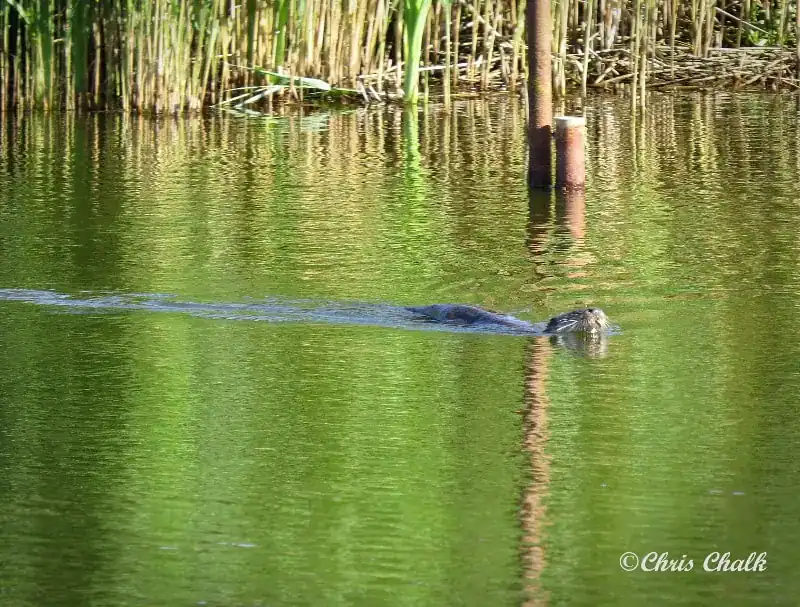
I enjoy wildlife watching in West Wales and foxes are my favourite British animal, so much so, I built a dedicated fox watching hide at the back of my garden in the first covid lockdown, just so I could watch and photograph our local population.
We live in rural west Wales, where we are fortunate to have farmland behind our house, and most days we see foxes foraging or playing amongst the horses in the fields. Each year, in Spring, we watch as young playful cubs grow into bold teenagers, before dispersing in autumn, leaving the adults to start the cycle over again.
Below you will find some fox photographs, UK wild fox behaviour and facts, and at the bottom of this post some photographs of my fox watching hide:

Foxes have evolved over thousands of years to be perfectly adapted to live in the environment that they live in. They are supreme hunters, extraordinarily athletic and have senses that put our own human senses to shame.
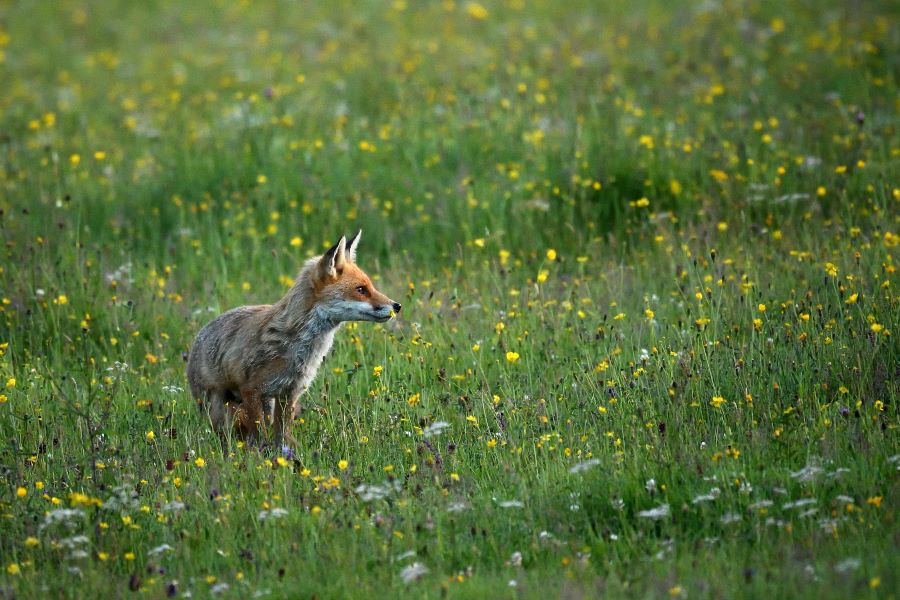
Foxes mate in winter, after which the female builds a den. Females give birth to anywhere between 1 and 12 cubs in a litter. Born brown/grey, cubs don’t start turning red for a month. Both parents take care of their offspring until the autumn, when the young foxes set out on their own.
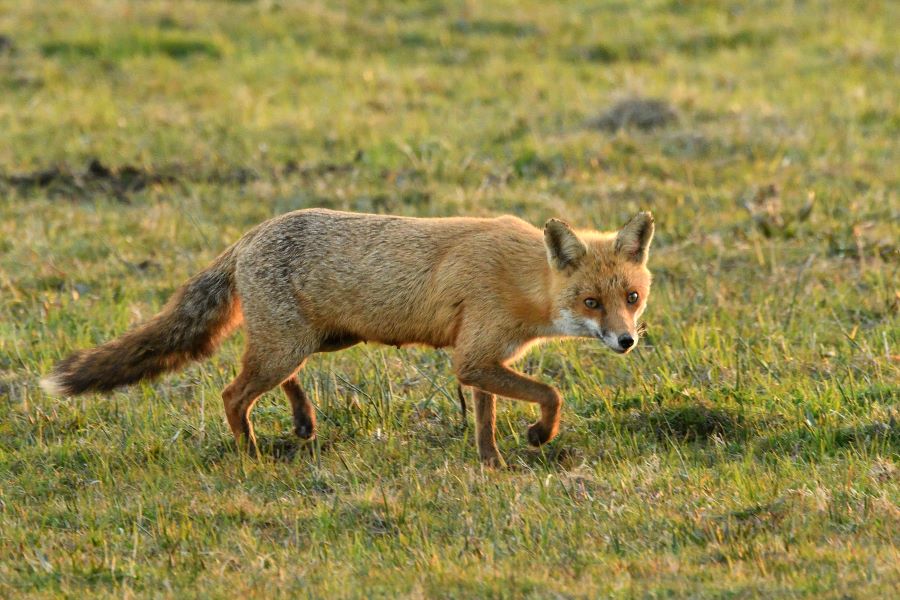
Foxes are wild animals, but their relationship with humans is ancient. In 2011, researchers opened a 16,500 year old grave in Jordan to find the remains of a man and his pet fox. This was 4000 years before the first known human and domestic dog burial.
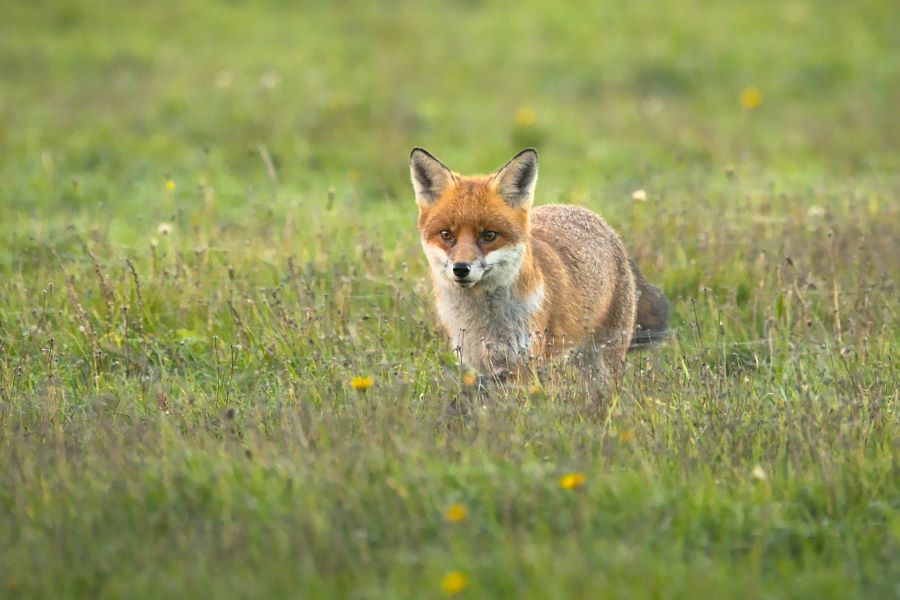
Foxes are the most widespread species of wild dog in the world. Arctic foxes live in cold far north, and Fennec foxes live in the North African desert. They live in the countryside, cities, forests, mountains and grasslands.
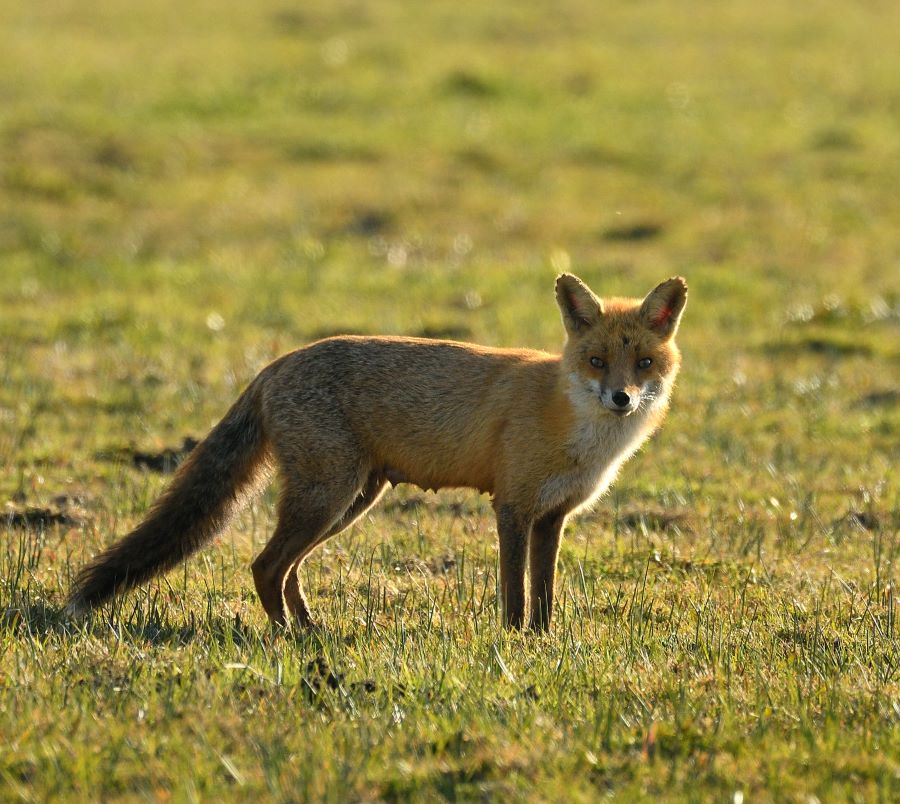
Foxes have complex paws, which has fur over the footpads to keep them warm, sense prey, and muffle their approach. They also they have an extra digit on their front paws, whereas a foxes back feet have only four digits, the forepaws have five.
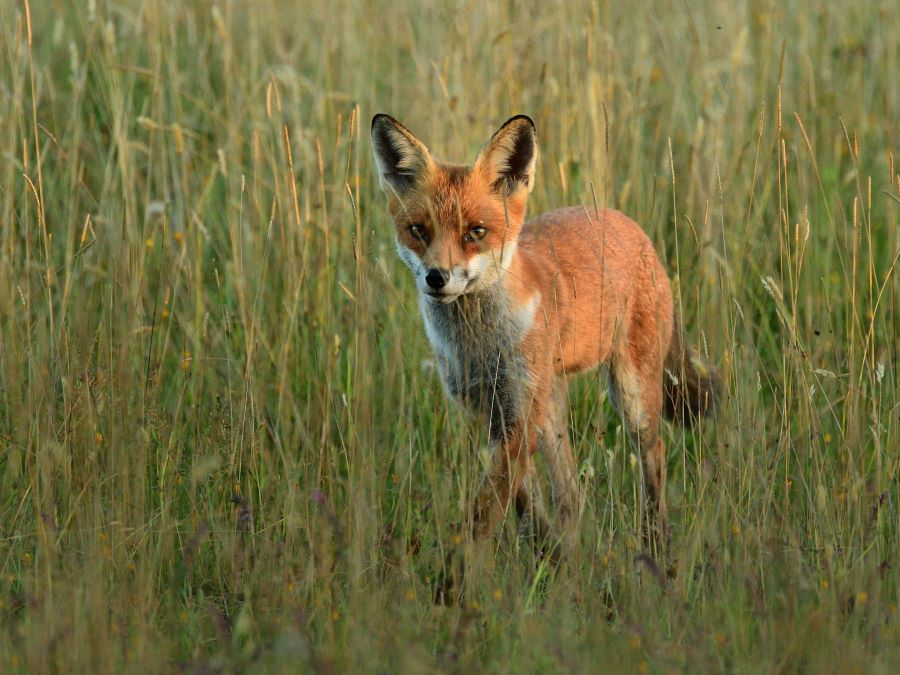
Foxes are from the Canidae family, and related to wolves. It was once thought that foxes were related to dogs, but they’re more like cats than dogs. They have vertical pupils like cats (dogs have rounded pupils). Some fox species can even retract their claws.
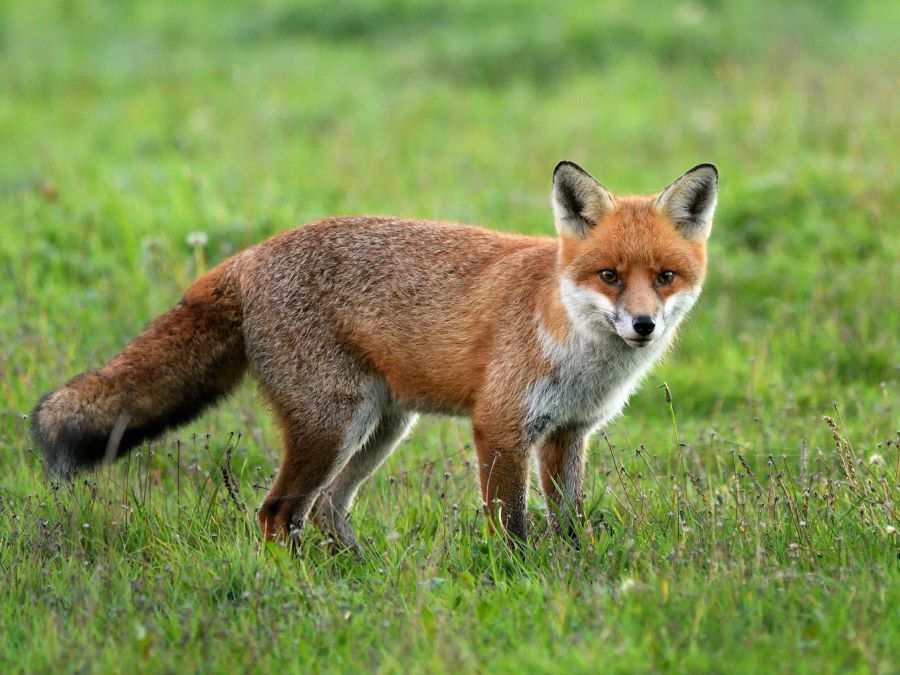
Foxes are territorial animals and mainly use scent to know if other foxes are in their territory. They have scent glands on their feet, which mark their trails as they walk, this also allows them easily find their way around at night.

Foxes have incredible hearing, it’s said a fox can hear a watch ticking 40 meters away. Even more amazing is that foxes use the Earth’s magnetic field to locate their prey, and can identify prey underground by sound.
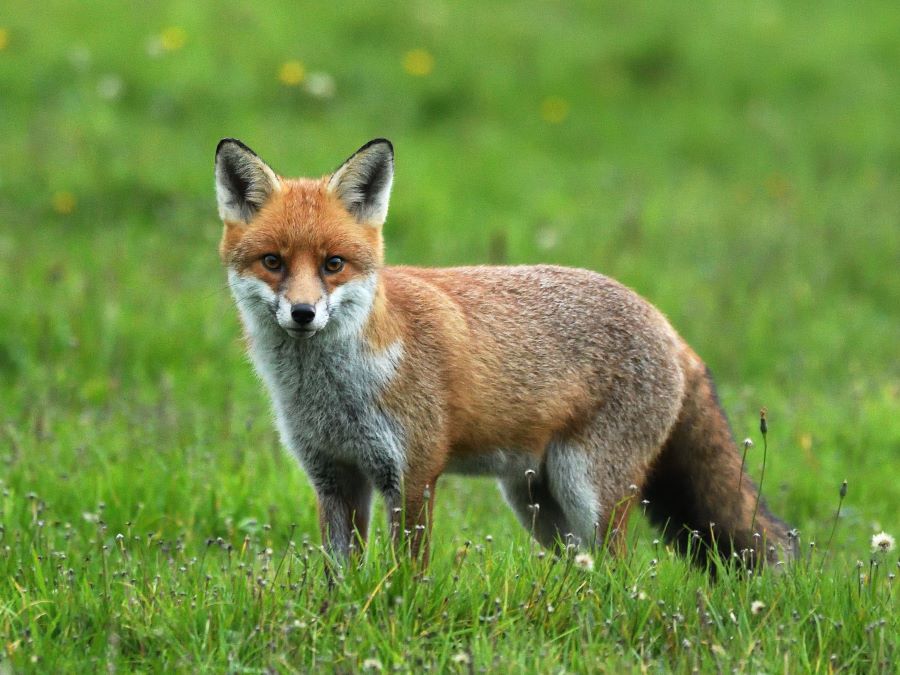
Foxes are very caring parents, it’s reported that in May 2009 a fox cub was caught in a snare for two weeks before being rescued by the RSPCA. Unable to escape and injured, it survived only because its mother brought it food while he was trapped.
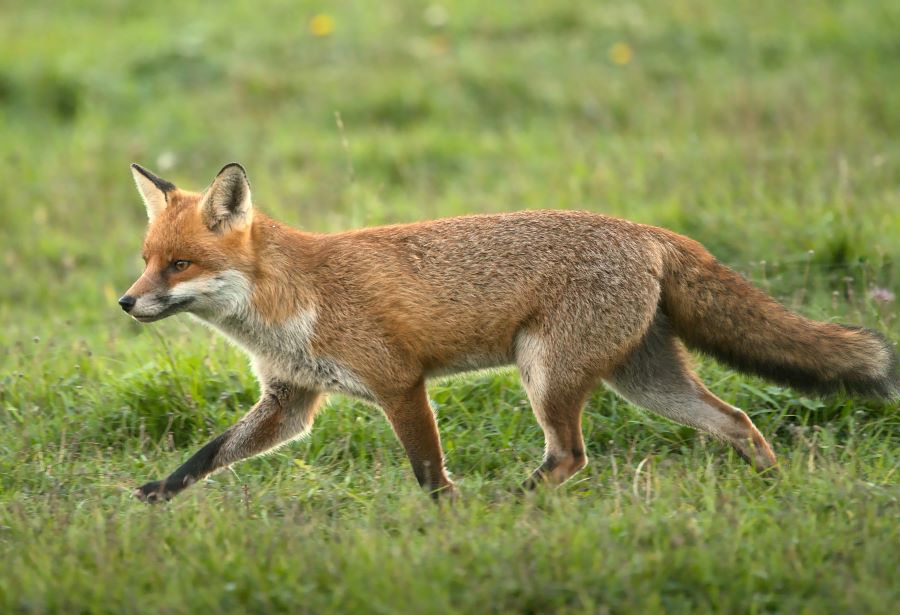
Like your own dog or cat, Foxes love to play; they’ve been seen stealing golf balls from golf courses to play with. They will play alone, but love to play with other foxes and other animals, even deer.
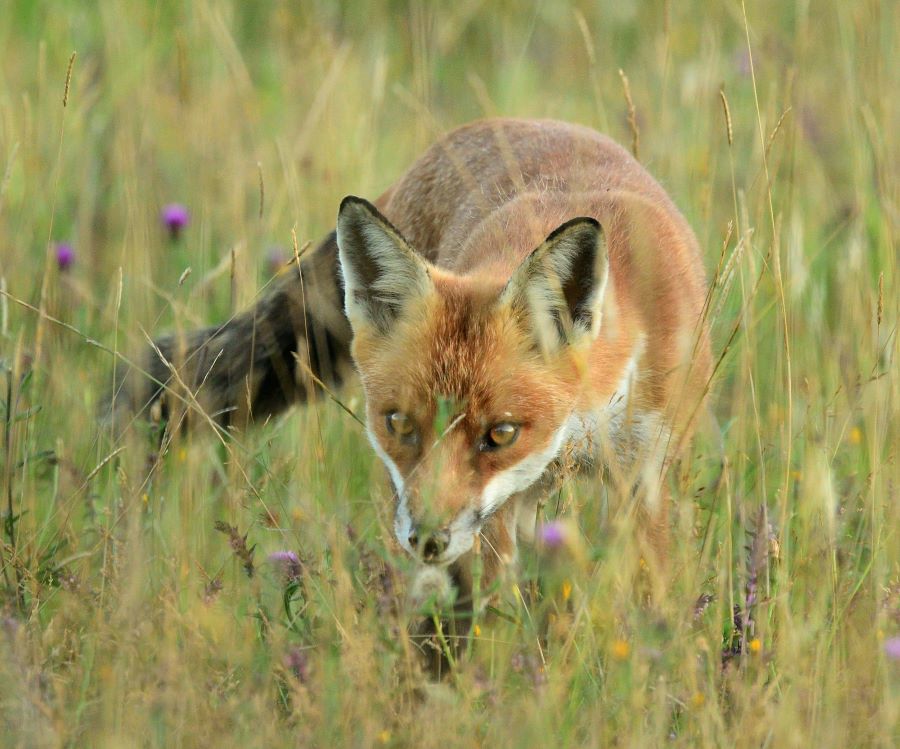
Foxes can run at about 30mph and jump over obstacles 2 meters tall. A fox’s bones are about 30% lighter than the same size bone of a domestic dog.
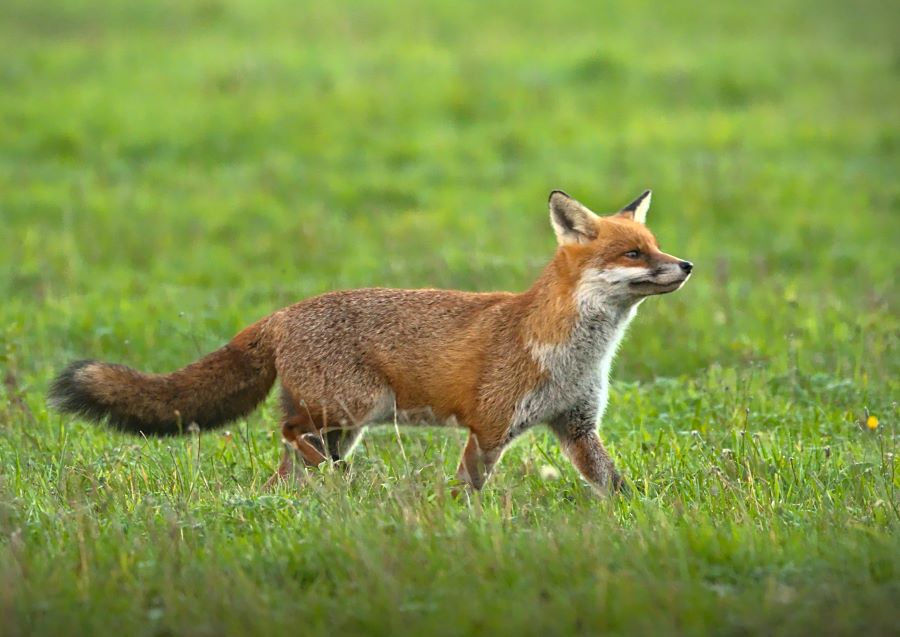
The fox is taxonomically classed as a carnivore, but they will eat almost anything, including rodents, rabbits, birds, amphibians, insects and even fruit. Solitary hunters, even if living in family groups they will hunt alone.
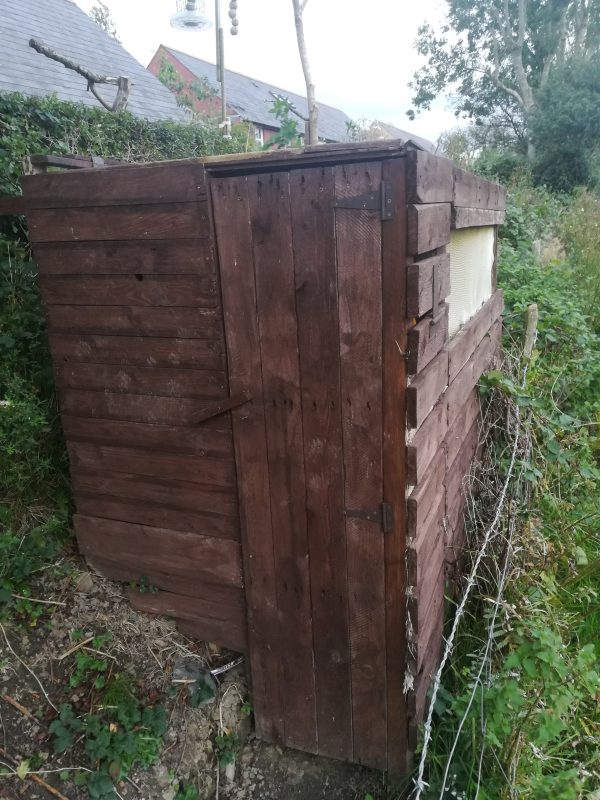
During the quiet days of the COVID-19 lockdown, I decided to build this rustic wildlife watching hide right on the edge of the field by my West Wales studio. Tucked under the overhanging branches and looking out past the local sheep, it became my daily escape and a labor of love.
It was built entirely from repurposed wood and salvaged timber I had on hand. This modest little structure has since served as my front-row seat to the secret lives of our local red foxes. It is amazing how blending into the hedgerow completely changes your perspective on British wildlife.
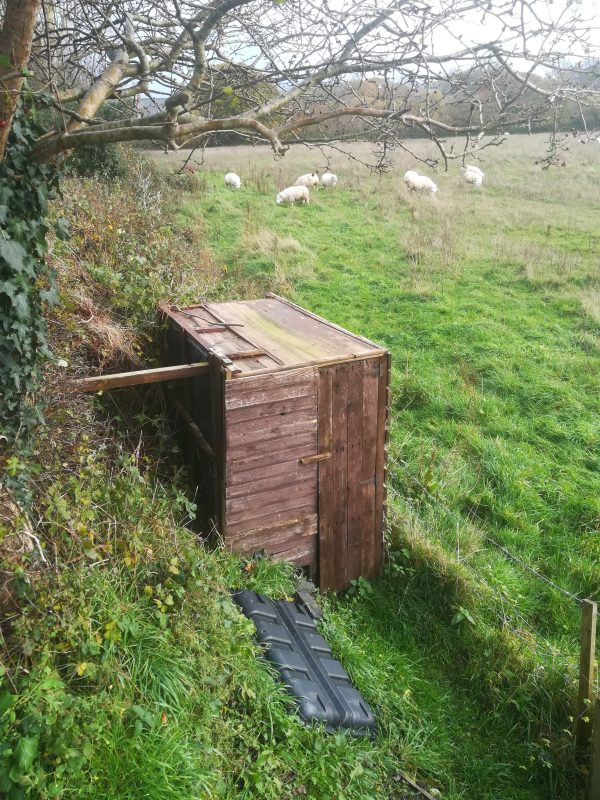
Sitting silently inside this small hide allows me to photograph and observe wild foxes without disrupting their natural behaviors. The lighting, textures, and candid moments captured from it are the direct inspiration behind my fox oil paintings and fine art prints.
Chris Chalk is a professional landscape and wildlife artist by day, and a keen wildlife photographer in his spare time. If you love British wildlife, explore his collection of Original Wildlife Paintings and premium Wildlife Fine Art Prints available directly from his West Wales studio.